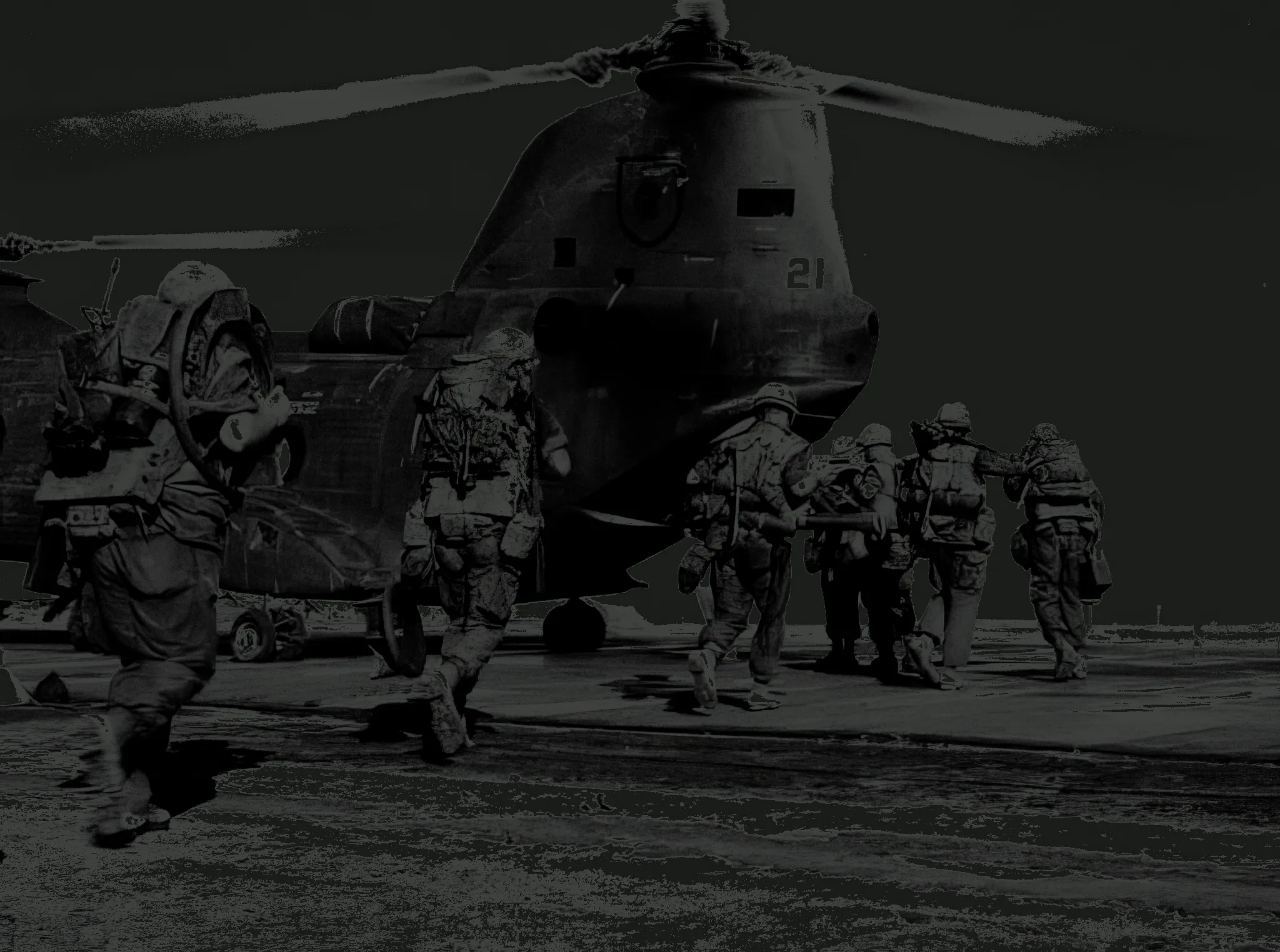
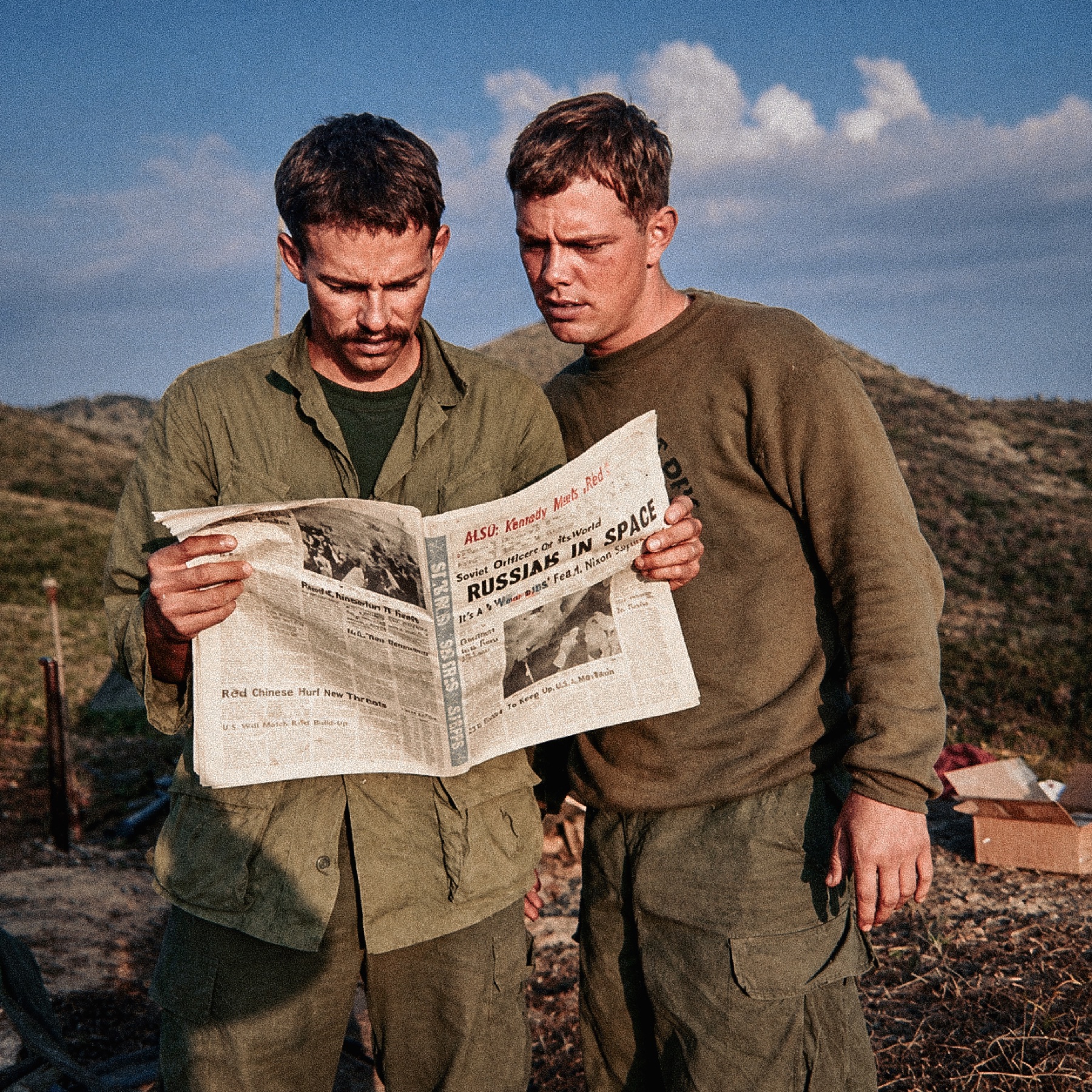
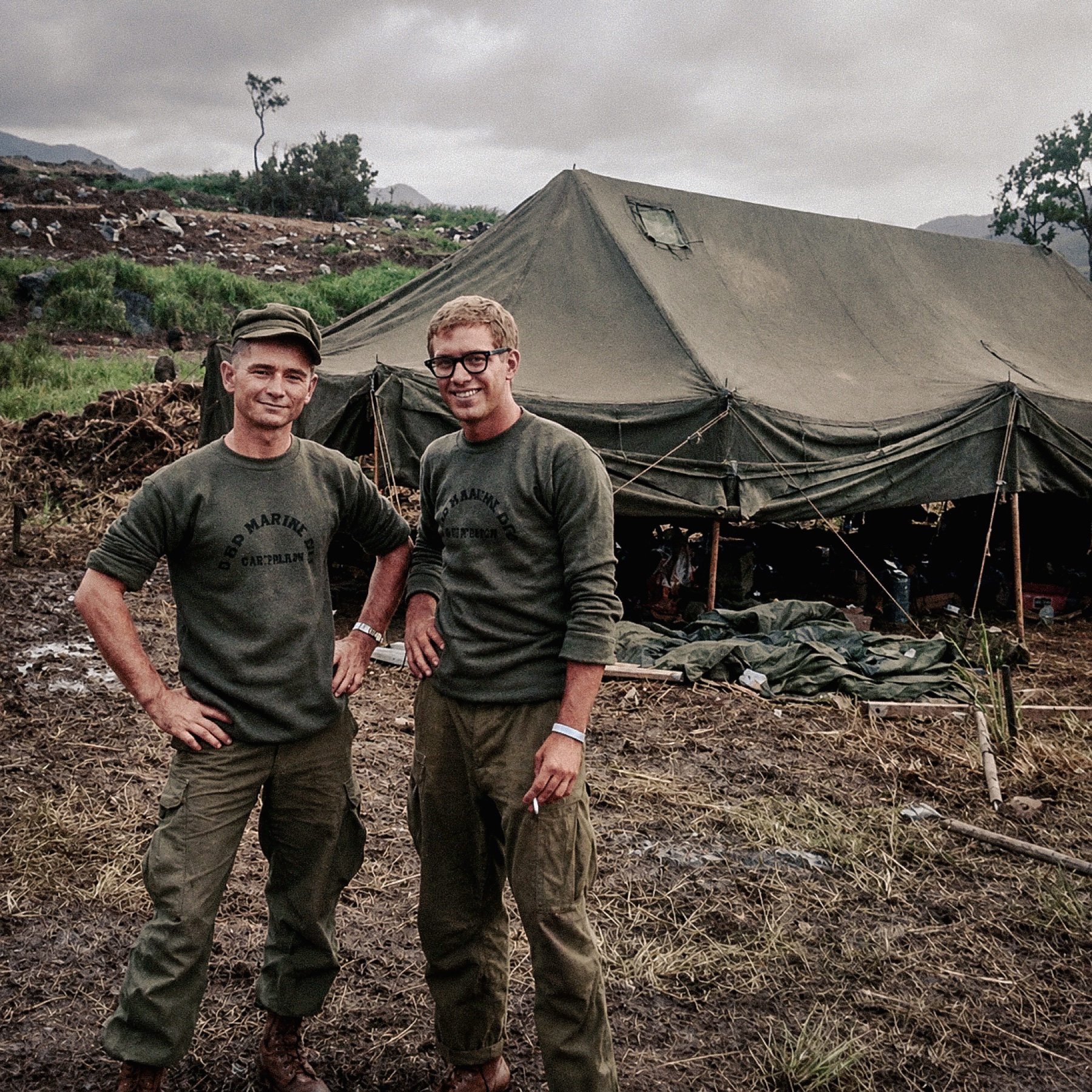
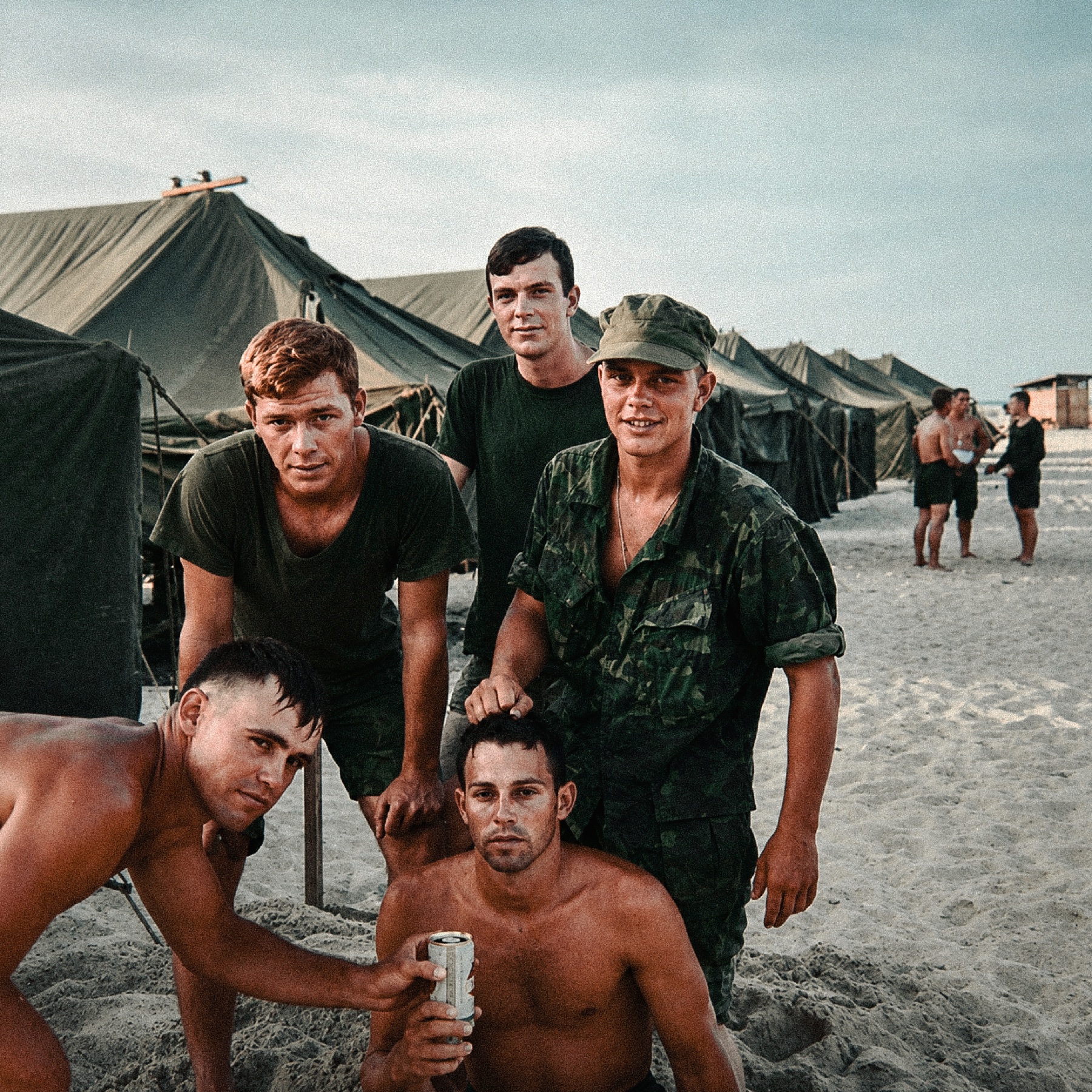
Jack Gallardo, Vietnam, November 1968
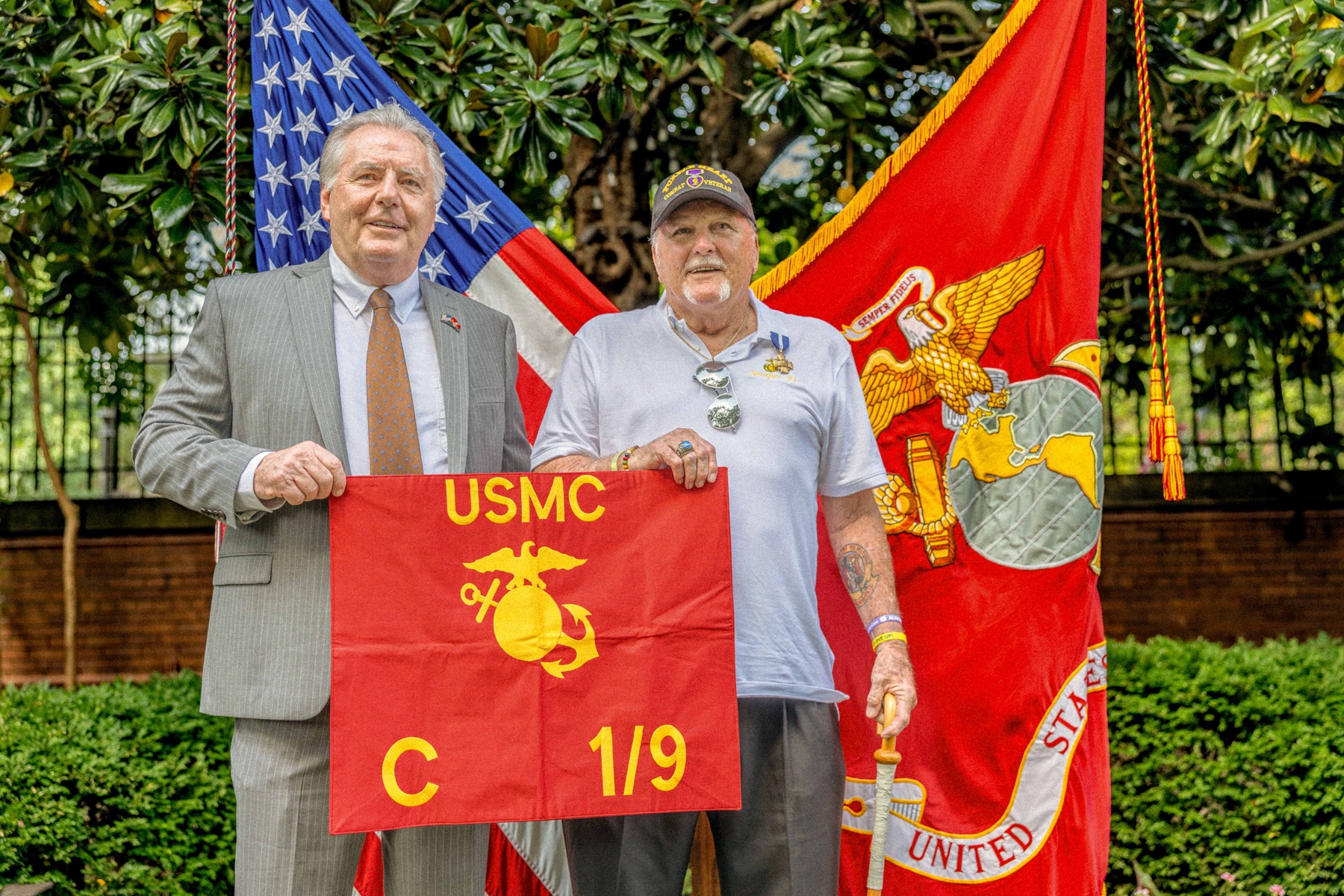
A reflection on supporting Vietnam veterans of 1st Battalion, 9th Marines
By Kaylieann Keith, Veteran Support Advocate
They called you “The Walking Dead.” Not because you were broken men, but because you kept going—through unimaginable circumstances, with casualty rates that etched your unit’s name into history. The 1st Battalion, 9th Marines, served in Vietnam with a level of grit and sacrifice that few will ever fully comprehend.
I’ve had the honor of listening to the stories of 1/9 Marines—men whose courage didn’t end with the war. It continues today, in the quiet decision to keep moving forward, despite the pain. In the choice to speak up after decades of silence. In the act of reaching out when isolation feels easier. This article is for you.
The war that came home
For many Vietnam veterans, the war didn’t end when the boots came off. It came home with you— embedded in memory, body, and soul. Some carried it as nightmares. Some as chronic pain. Others as silence, the kind that drifts between family dinners or creeps in after midnight.
You didn’t just serve in a foreign jungle; you came home to a nation that didn’t understand you. And too often, didn’t want to.
That wound—social, cultural, emotional— was as real as any sustained in battle. And yet, you endured. You built families, careers, communities. But the cost of carrying so much alone is heavy.
There are units whose names evoke a visceral response—etched into the history of war and into the hearts of those who served. The 1st Battalion, 9th Marines— ”The Walking Dead”— carries such a legacy: one marked by extraordinary courage, devastating loss, and unwavering brotherhood.
As someone highly interested in the psychology of veterans and mental health- including many from the Vietnam era, I have been privileged to sit with Marines from this unit—men whose experiences continue to echo across time. This message is for you.
The war didn’t end when you came home
Unlike more recent conflicts, returning from Vietnam meant facing a country that was, at best, indifferent and, at worst, hostile. There were no parades. No community homecomings. The trauma didn’t stop at the border; it followed you into your homes, your marriages, your workplaces—and, for many, into silence.
Many of you carried that silence for decades. Some turned inward. Others carried the weight through alcohol, isolation, or unspoken grief. I want to say this clearly: it is never too late to heal. There is no expiration date on recovery, no shame in seeking support, and no weakness in feeling deeply.
A legacy of pain—and of strength
The 1/9 holds the tragic distinction of the highest casualty rate among Marine battalions in Vietnam. That statistic speaks to the intensity of your combat experience—and the burden that followed.
Decades of research show us that nearly one-third of Vietnam veterans have experienced post-traumatic stress at some point in their lives. Many still navigate survivor’s guilt, moral injury, physical health decline, and mental health challenges— often in silence.
But I have also witnessed something else: resilience. A fierce loyalty. A fire that refuses to be extinguished, even by trauma. I have had the honor of sitting and talking with a number of veterans and heard the same themes: “I did what I had to do.” “I was just trying to get my guys home.” And, most often: “I never talked about this before.”
You are not alone in those feelings.
Brotherhood is a lifeline
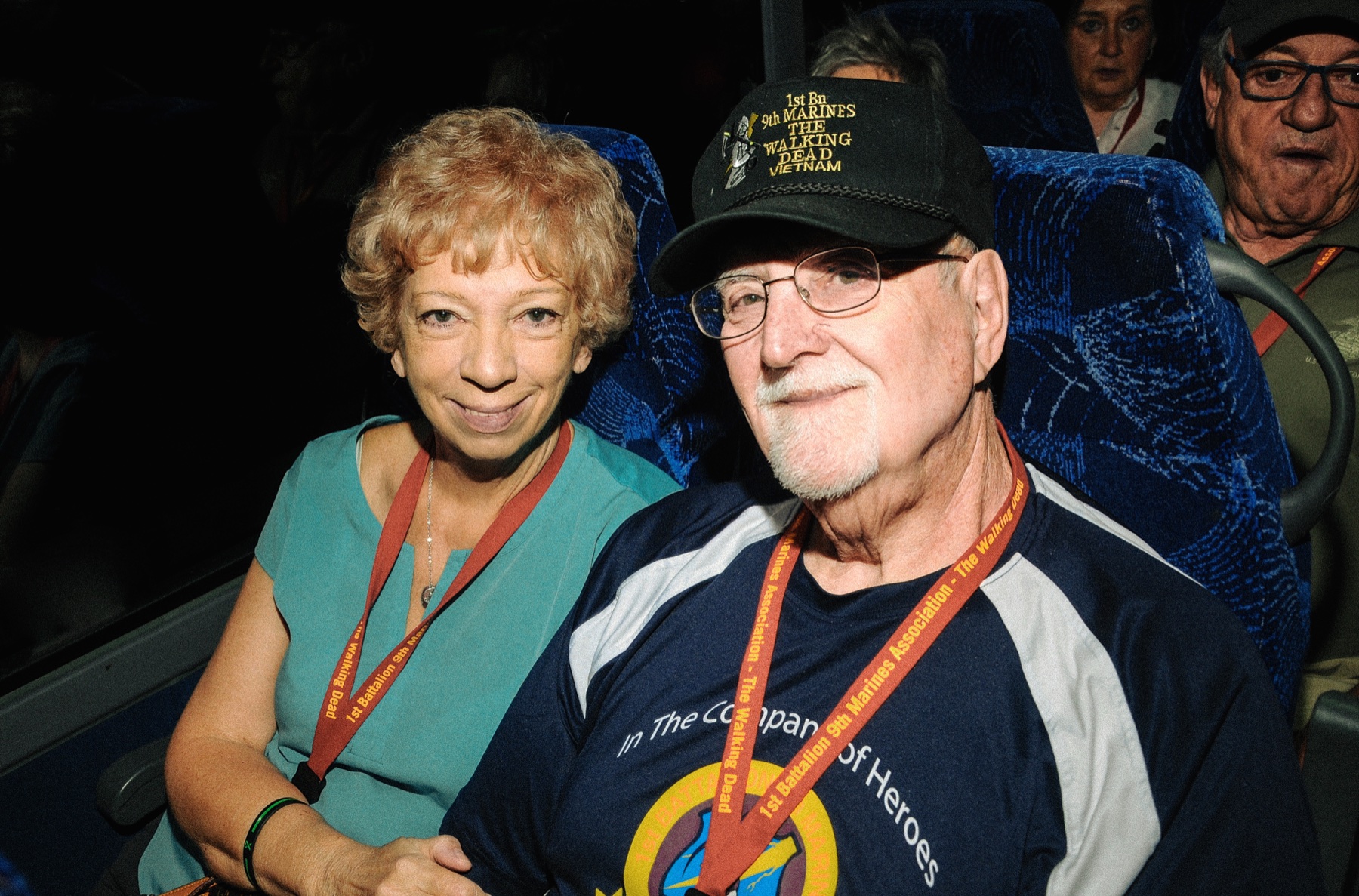
The 1/9 Association is more than a network— it’s a continuation of a sacred bond. It’s also a space where healing can take root. Not all healing takes place in a clinical office. Sometimes it happens over coffee, at a reunion, or in a phone call that says, “Hey, I was thinking about you.”
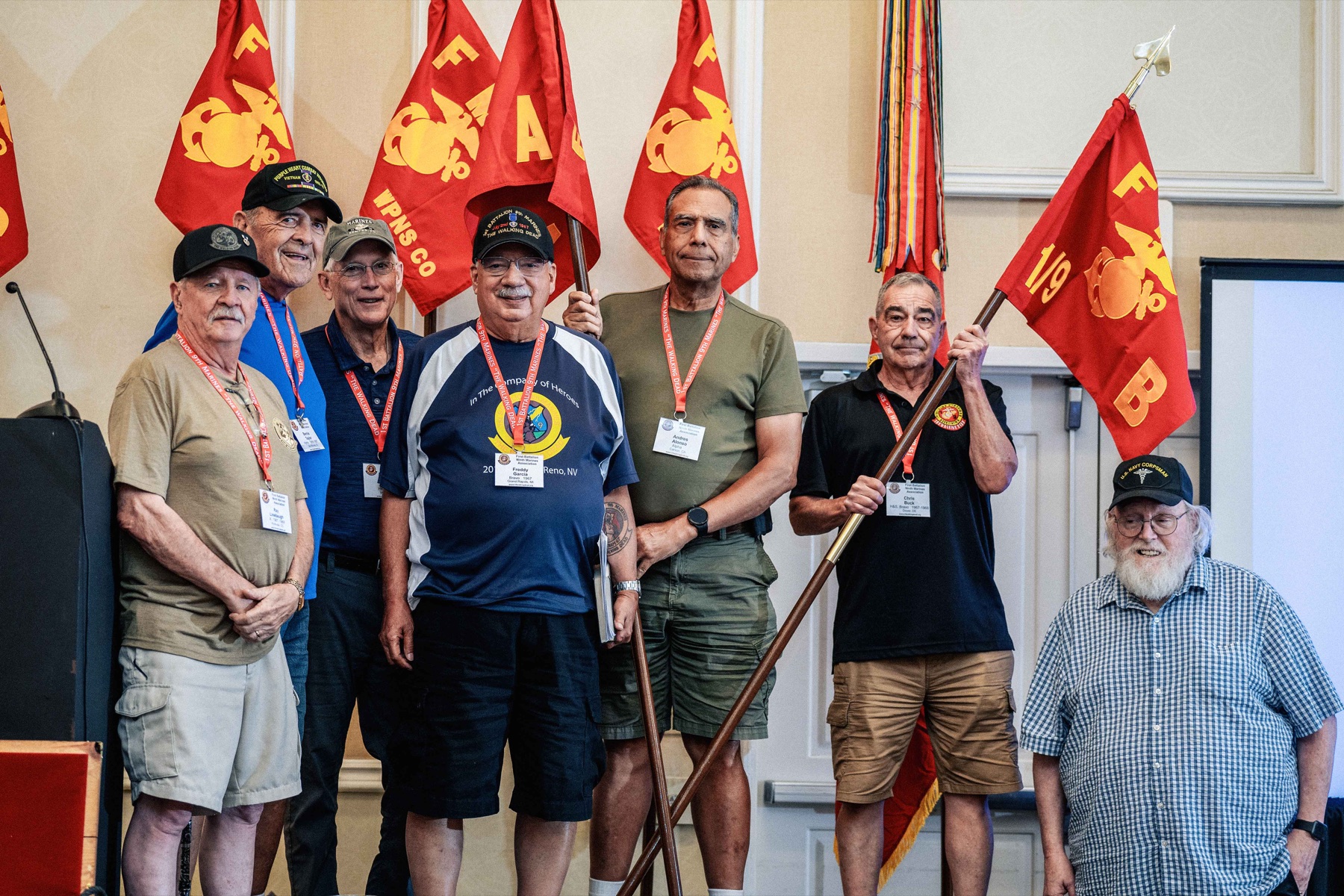
Connection is not a luxury. For veterans, especially those living with trauma, it is a mental health intervention. It builds meaning. It reduces isolation. And it reminds you that you still belong— to something bigger than yourself, and to people who understand without explanation.
Therapy has evolved
If you’ve ever thought, “It’s too late for me,” or “That stuff won’t work for someone like me,” I urge you to reconsider. Modern mental health care— especially through the VA and veteran-focused organizations—has evolved dramatically.
We now offer trauma-informed approaches, EMDR (Eye Movement Desensitization and Reprocessing), cognitive processing therapy, group programs designed specifically for Vietnam veterans, and telehealth options for those in remote areas or with mobility concerns.
Many veterans I’ve worked with have said they wish they’d started sooner— not to forget, but to finally lay some of the weight down.
Your story still matters
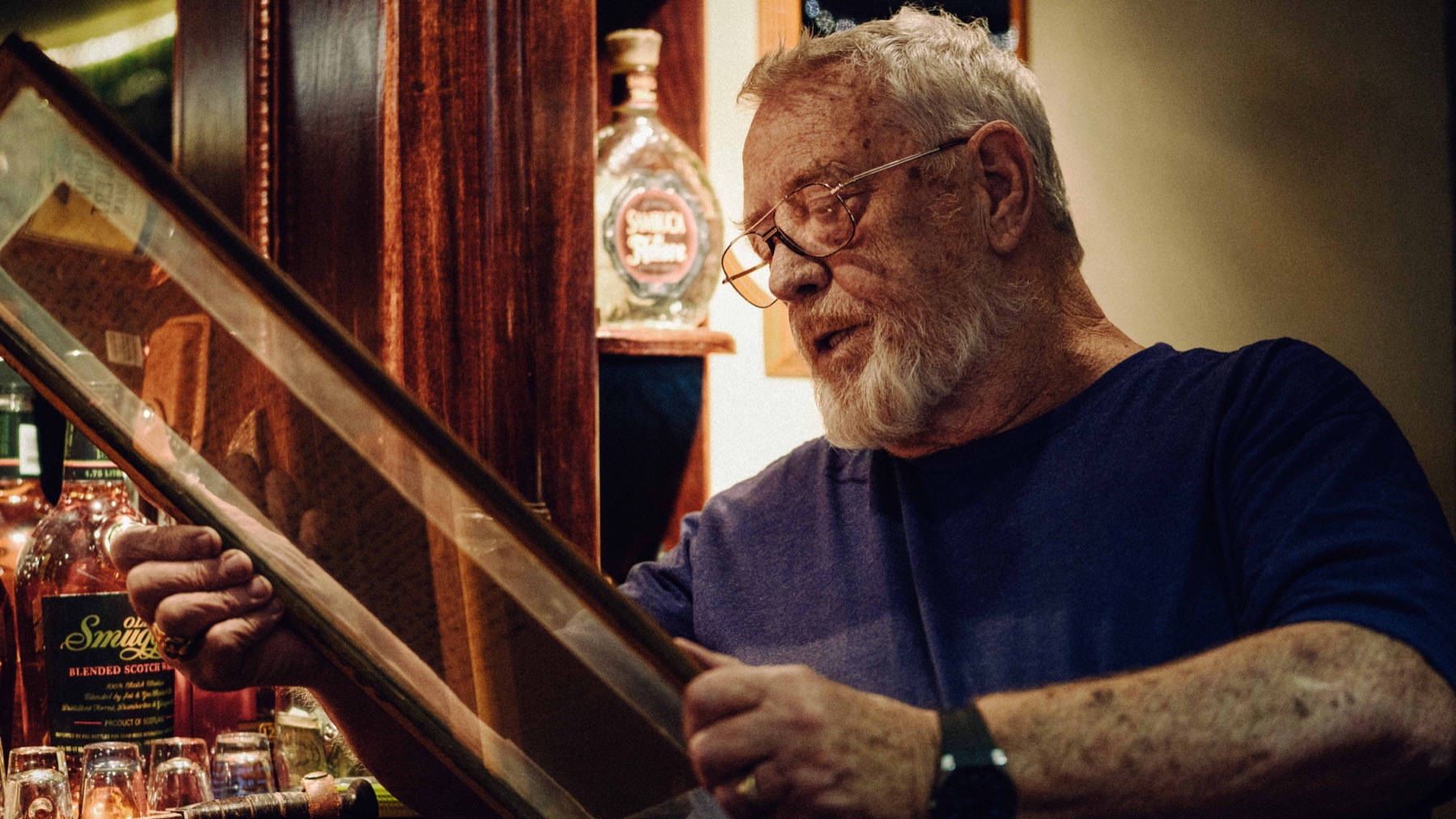
We live in a fast-paced world that too often forgets the past. But your story, your voice, your legacy— they matter. Whether you served at Con Thien, Khe Sanh, or in the thick of the jungle— your experience shaped history. And it still shapes you. Telling your story is not self-indulgent. It’s medicine. It’s mentorship. It’s legacy work.
If you’ve thought, “No one wants to hear about Vietnam anymore,” I’ll tell you now: we do. Your brothers-in-arms do. Your children and grandchildren do. And those of us who serve veterans in mental health— we’re listening.
How to keep fighting—this time for peace
If you’re a 1/9 veteran reading this, please know: your healing matters. Your life today is still worth fighting for.
Stay connected: Reunions, emails, even a short phone call can change someone’s day— and yours.
Talk when you can: Whether it’s with a clinician, a fellow Marine, or a loved one— sharing is a strength.
Check in on your brothers: You know how to spot someone in distress. Don’t wait.
Live well for those who didn’t come home: You survived. Now, give yourself permission to live in peace.
To the families, spouses, and caregivers of 1/9 Marines— thank you. Your strength, patience, and steadfast love are a cornerstone of healing for so many.
A note from the heart
To the Marines of the 1st Battalion, 9th Marines: You are seen. You are valued. And you are not alone— not now, not ever.
You are not defined solely by the things you endured in Vietnam. You are defined by your resilience, your loyalty, your continued commitment to one another.
You have already fought harder than most ever will. Now, the mission is different. Now, we fight for healing, for dignity, and for the peace you’ve long deserved.
You are still in the fight. And you don’t have to fight alone.
Recent data from the National Center for PTSD shows that approximately 30% of Vietnam veterans have experienced PTSD in their lifetime. Depression, substance use, survivor’s guilt, and physical health complications add layers to an already complex experience. Tragically, Vietnam-era veterans account for the highest rates of suicide among all veteran age groups.
But here’s what I want every 1/9 Marine reading this to know: It’s never too late to heal.
The power of brotherhood
Among all the veterans I’ve worked with, the Marines of 1/9 stand out for their loyalty—to each other, to the Corps, and to the memories of the men who didn’t make it home.
That loyalty, that bond, is more than a relic of war. It is a tool for healing.
Peer support isn’t just helpful—it’s vital. I’ve seen veterans who resisted therapy for 40 years walk into a reunion and find healing in a shared laugh, a knowing glance, or the simple phrase, “You remember Hill 881?”
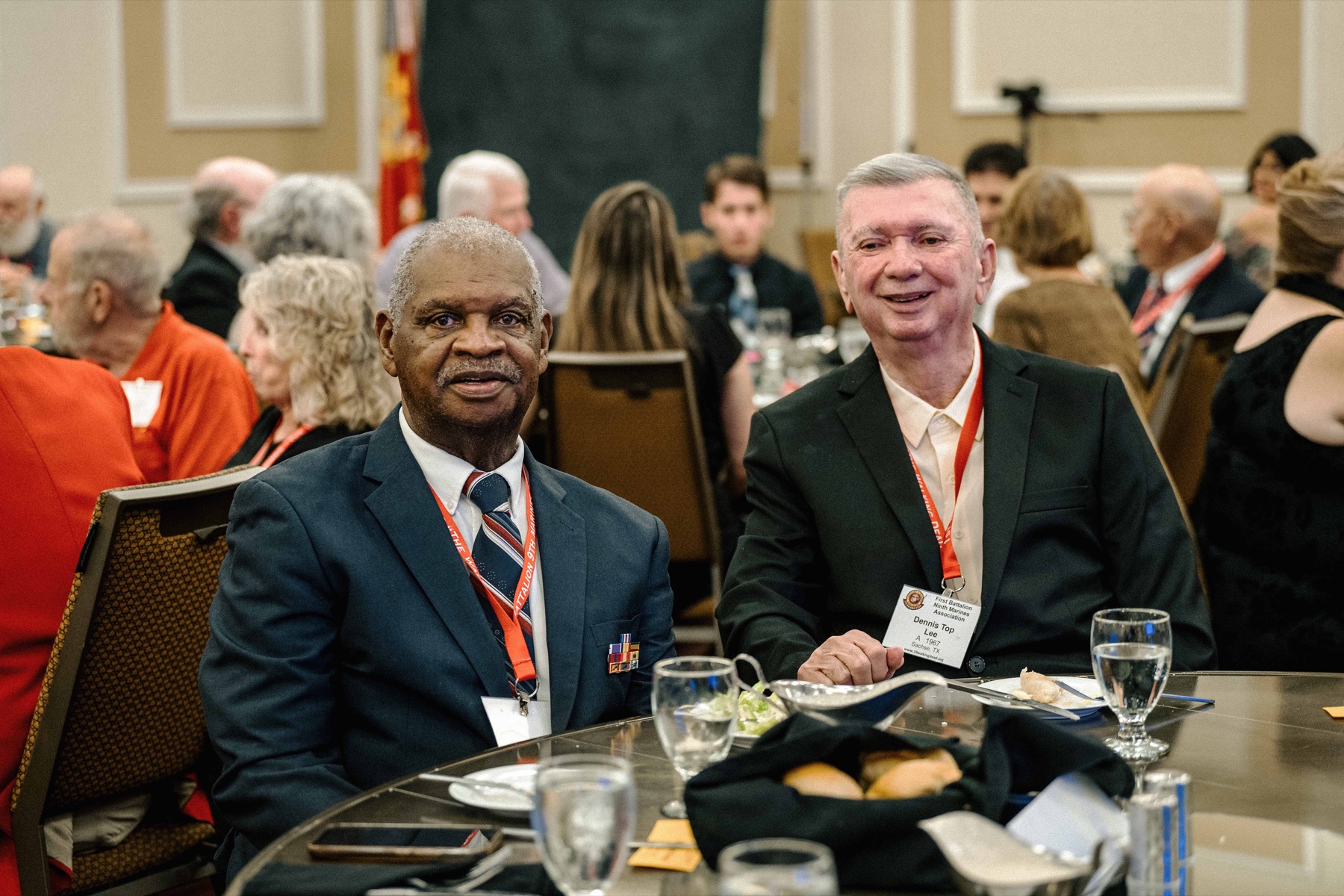
The 1st Battalion, 9th Marines Association has become a lifeline for many. Its reunions, outreach, and continued service to the brotherhood offer what no therapist, no agency, no outsider ever could: unfiltered understanding.
But when combined with professional care—whether it’s counseling, group therapy, or VA services—those bonds become a bridge. A bridge between surviving and living.
Redefining strength
In the military, you’re trained to push through. To carry the load. To not complain. But healing requires something different: permission to be human.
Seeking help isn’t weakness. It’s not dishonoring the fallen. It’s saying, “I’m still here. And I want to make these years count.”
Therapy today isn’t what it used to be. It’s not a stranger with a clipboard. It’s trauma-informed care, often delivered by clinicians who are veterans themselves or who’ve walked closely with combat survivors for years. There’s group work tailored to Vietnam vets, telehealth for those in rural areas, and programs designed specifically to address moral injury, survivor’s guilt, and chronic pain.
Even if you’ve never spoken about your service, even if you believe no one could understand—you deserve to know that healing is possible.
You are still part of history
Your generation changed the conversation around veterans’ care. You exposed the long-term psychological cost of war. You demanded better treatment, and in many ways, paved the way for the care post-9/11 veterans now receive.
But your story isn’t over. It’s still unfolding— in your families, your memories, and your legacy.
You fought for your country. You fought for each other. Now, it’s time to fight for yourselves—for your peace, your joy, your healing.
What you can do now
If you’re reading this and you’re struggling, or even just wondering if it’s worth revisiting the past, I offer this:
Reach out to a brother— Someone you served with. Someone who remembers.
Attend a reunion— Even if you haven’t been in years.
Consider talking to a therapist— Just once. Just to see.
Let your family in— They’ve walked this with you in their own quiet way.
Honor the fallen by living well— They’d want that for you.
And if you’re supporting a 1/9 veteran— whether as a spouse, child, friend, or caregiver—thank you. Your role is essential, and your presence is part of the healing journey, too.
You’ve never been alone.
Final thoughts
To every Marine of the 1st Battalion, 9th Marines: You have already proven your strength. You do not need to keep carrying this burden alone. There is no shame in being tired. No failure in reaching for support.
You are still in the fight— but now, the mission is different. The mission is peace. The mission is connection. The mission is you.
And you’ve never been alone.
From the August 2026 issue of The Proud Warrior. Read the full issue