
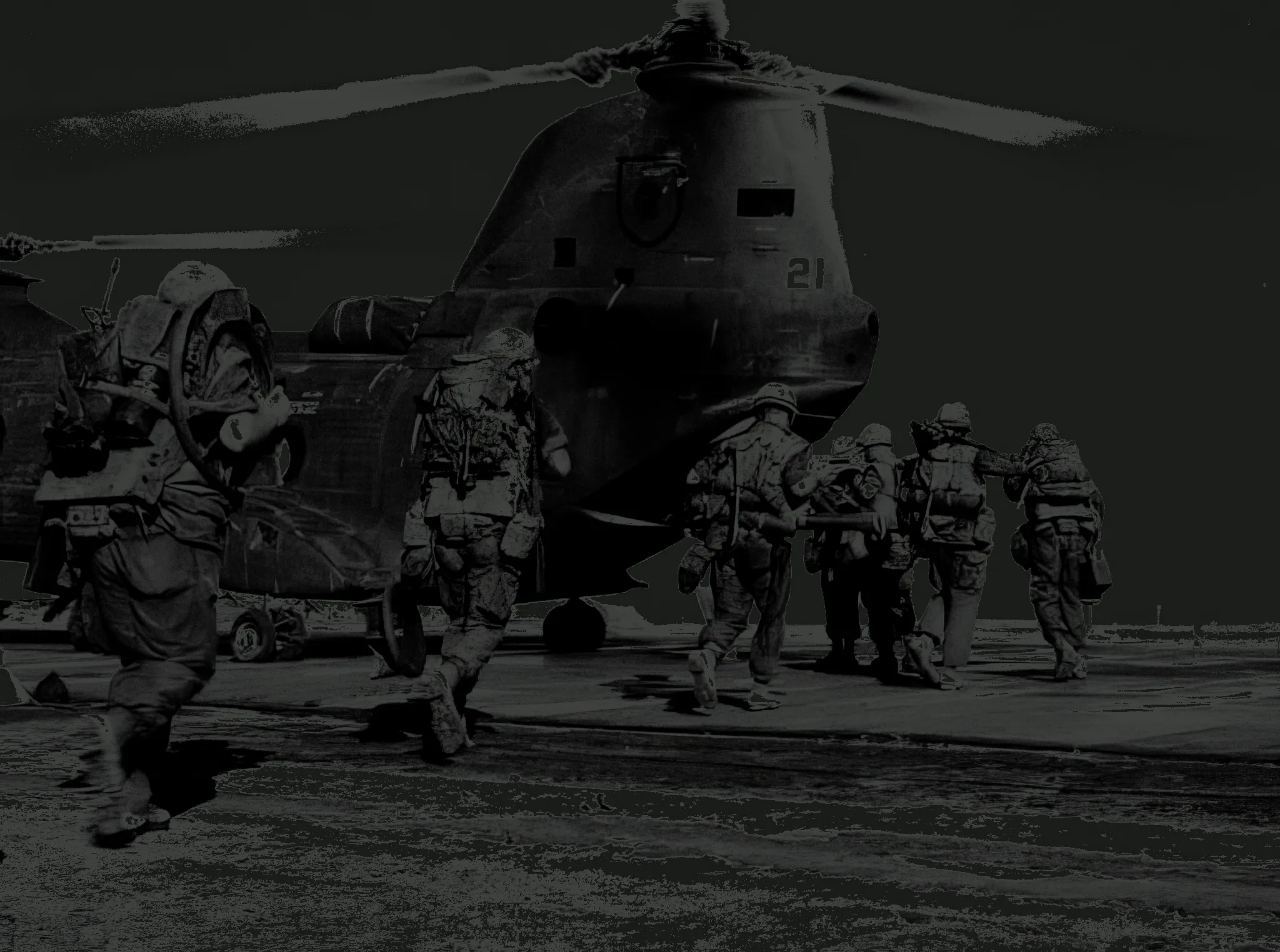
Holding the line across thirteen years
By Matt Valenzuela, Vice President of Operations
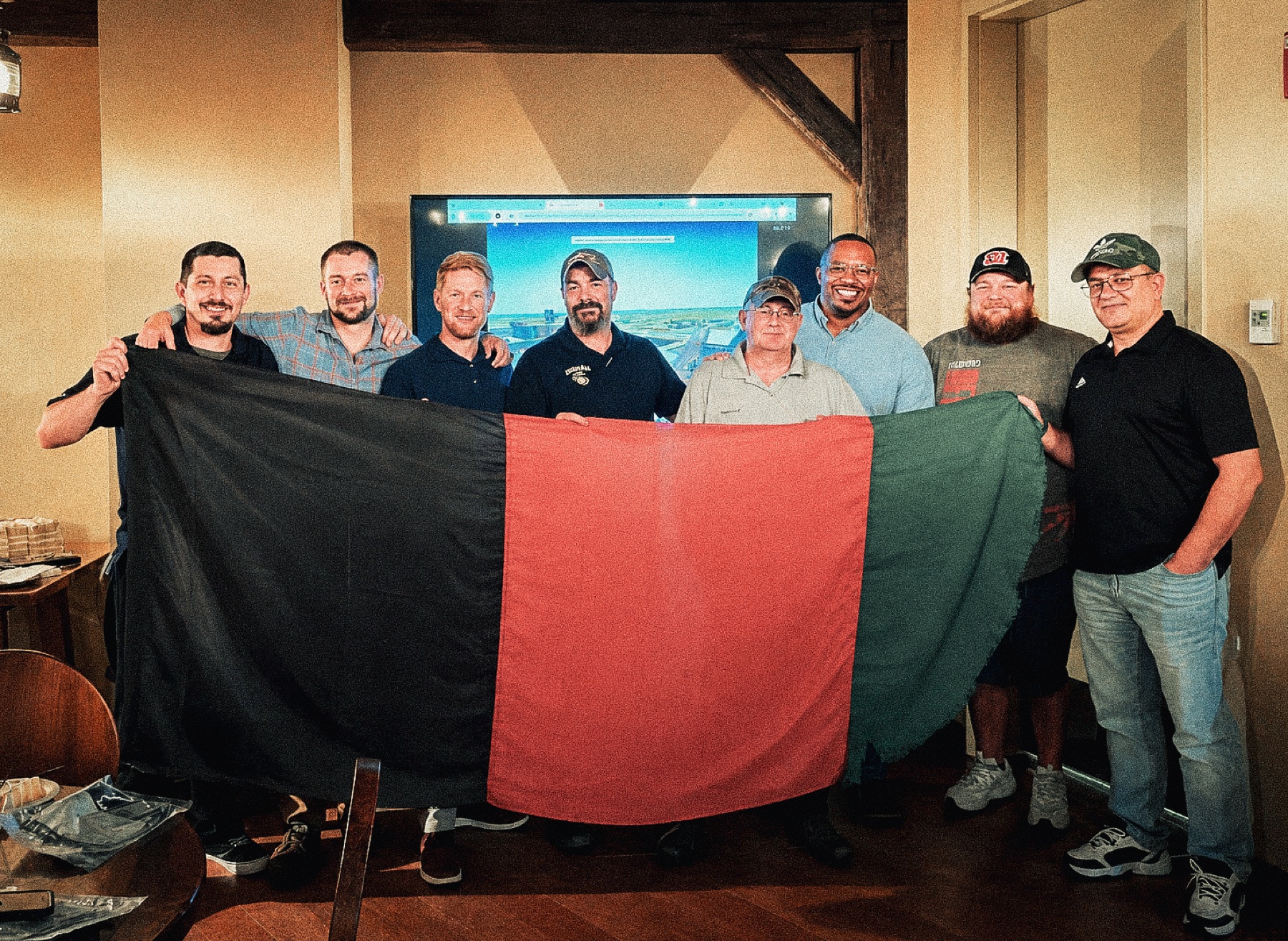
They got most of them into one room at the National Museum of the Marine Corps. The association sponsored the dinner. Sixteen men had shared a patrol base in Afghanistan for seven months in 2010 and 2011, and more than a decade later, the majority of them came back to sit at the same tables, in the building the Marine Corps built to hold its own history.
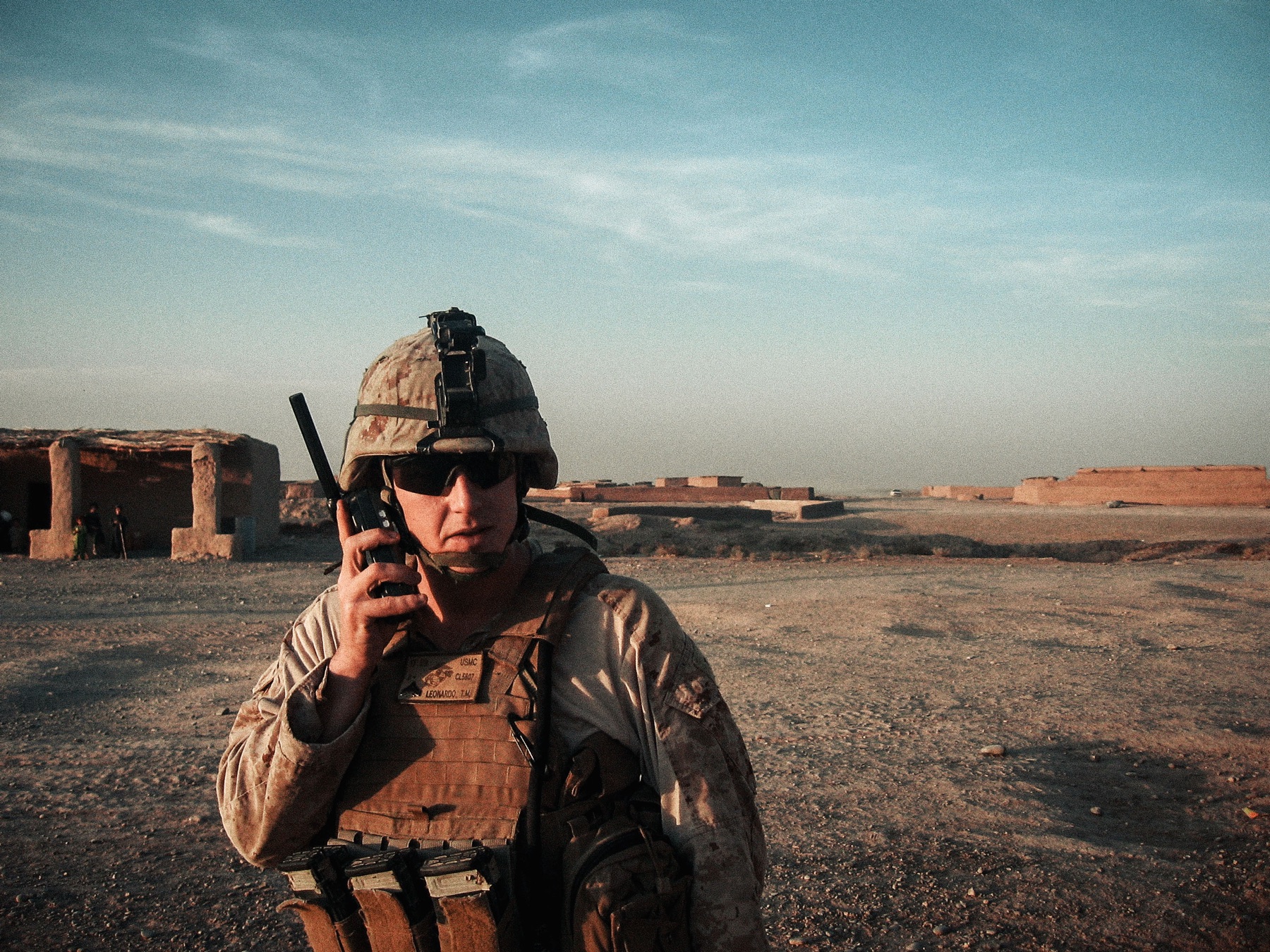
That’s not how these stories usually go. Units scatter. Tim Leonardo will tell you so himself. People fall out of touch, and most of the time they stay that way. What he can’t fully explain is why his didn’t. “We’ve stayed in touch as if nothing’s ever changed,” he says. Sixteen men, still in contact, every one of them.
To understand why they held, you have to understand what they carried.
What you can’t train for
The op tempo was relentless. Two patrols a day minimum, every day, by order. Morning movements before the sun came up. Mobile patrols. Overnight vehicle checkpoints across the area. Seven months at that pace leaves no room to feel any of it while it’s happening.
And the danger was constant. Every step down a dirt path rehearsed the possibility of an IED. The enemy ran surveillance on them, kids on cell phones marking their movements, tires burning to signal a patrol had left the wire. This was a thinking enemy, not the incapable farmers the briefings described.
But the thing that stuck wasn’t the threat of being killed. Every infantryman understands that math. It was the human terrain, the part no workup prepares you for. Wounded children kept arriving at their patrol base, a kid with his forearm shattered, brought in because someone had taken a shovel to him. Leonardo, a new father at the time, working on a dying toddler one week and a newborn the next.
He’s blunt about what that did. They’ll say it themselves. A gunfight, you can file. What they saw in Nawa, you can’t. That’s the weight that follows a man home.
Forming bonds
Sixteen men in roughly fifty feet of space for seven months will either come apart or fuse. Theirs fused.
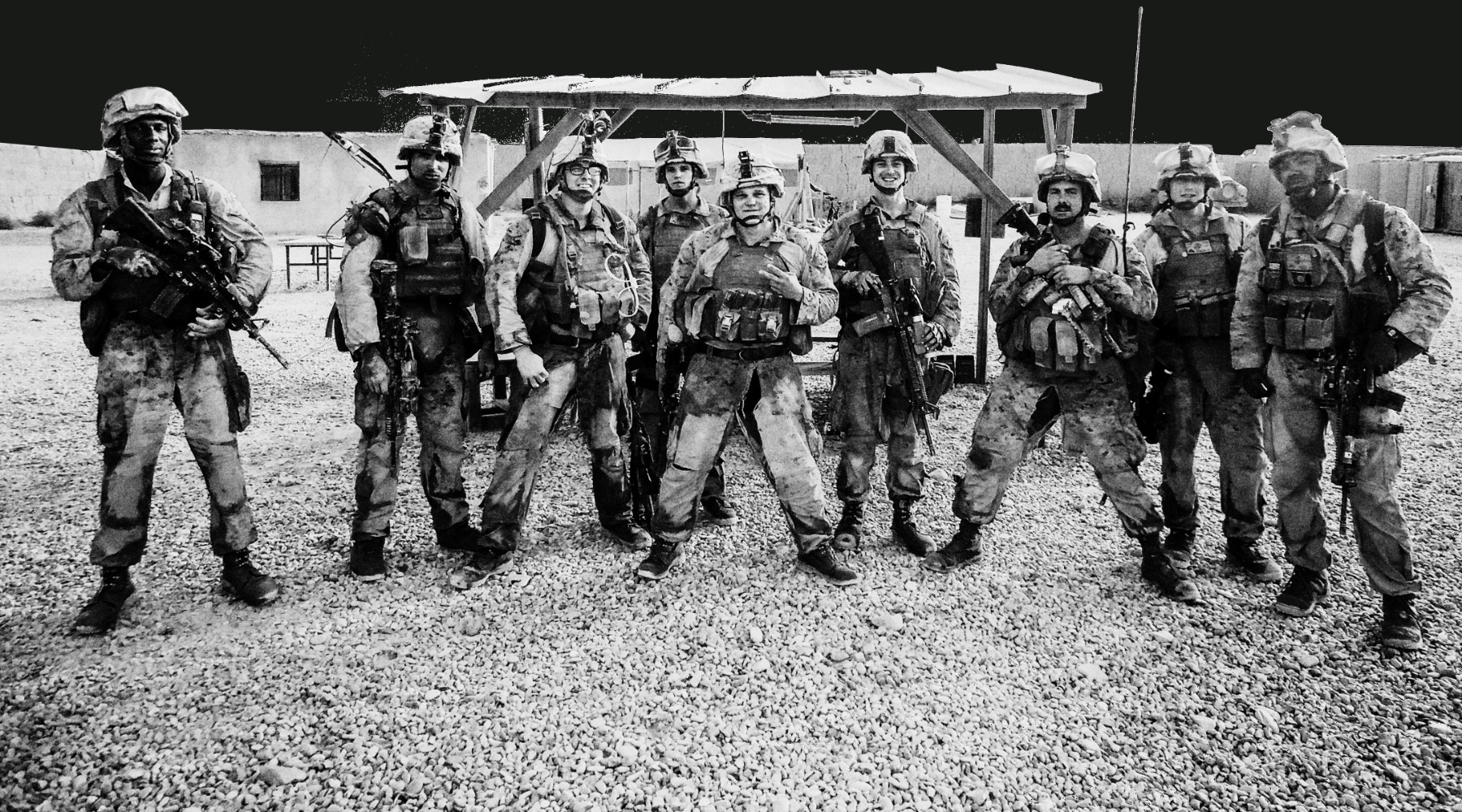
Their company had been built partly from the Corps’ misfits, guys sent from across the fleet, dropped into a battalion just back from Ramadi and still raw from it. Leonardo’s own path was unconventional, the way most things in his career ran. Friction came with the territory. Sunday fistfights, then hugging it out five minutes later. “There is no metric,” he says. The man he had it out with hardest is a man he’s been tight with ever since.
At the patrol base, the bond hardened into something operational. Their staff sergeant, GySgt. St. Onge, had been to that ground before, in 2004. He gave them five things not to do instead of fifty things they should, made clear he wasn’t playing, and then extended real trust. With leadership often elsewhere, the senior man present might be a corporal, and generals who came through left saying the place was locked in tight. So no one bothered them, and they ran it with a latitude most infantry squads never get.
What made it work was that the ego came out. On a mission, rank dissolved into function. “We are one entity,” Leonardo says. “The only way this works is if we operate as an entity.” They did, and the trust that built under those conditions is the kind that doesn’t decay.
The drift, and what it costs
Most units don’t keep that. Leonardo is clear-eyed about why. Life gets in the way. Families, work, the plain fact that time is valuable and an association meeting or a phone call is one more thing competing for it. None of that is a character flaw. It’s just gravity.
But the drift isn’t neutral, and that’s the part that matters. When men go quiet, they go quiet alone. They stop reaching out. They fight the VA by themselves for care they’re already owed, having to argue tooth and nail, prove beyond a doubt that they’re hurt, while the injuries get worse with the years. Leonardo went years fighting for his own increase. He’s watched friends do the same, one of them still battling to get the right thing examined because the system keeps checking everything else.
In isolation, the weight finishes the job. Connection is the difference between falling and being caught.
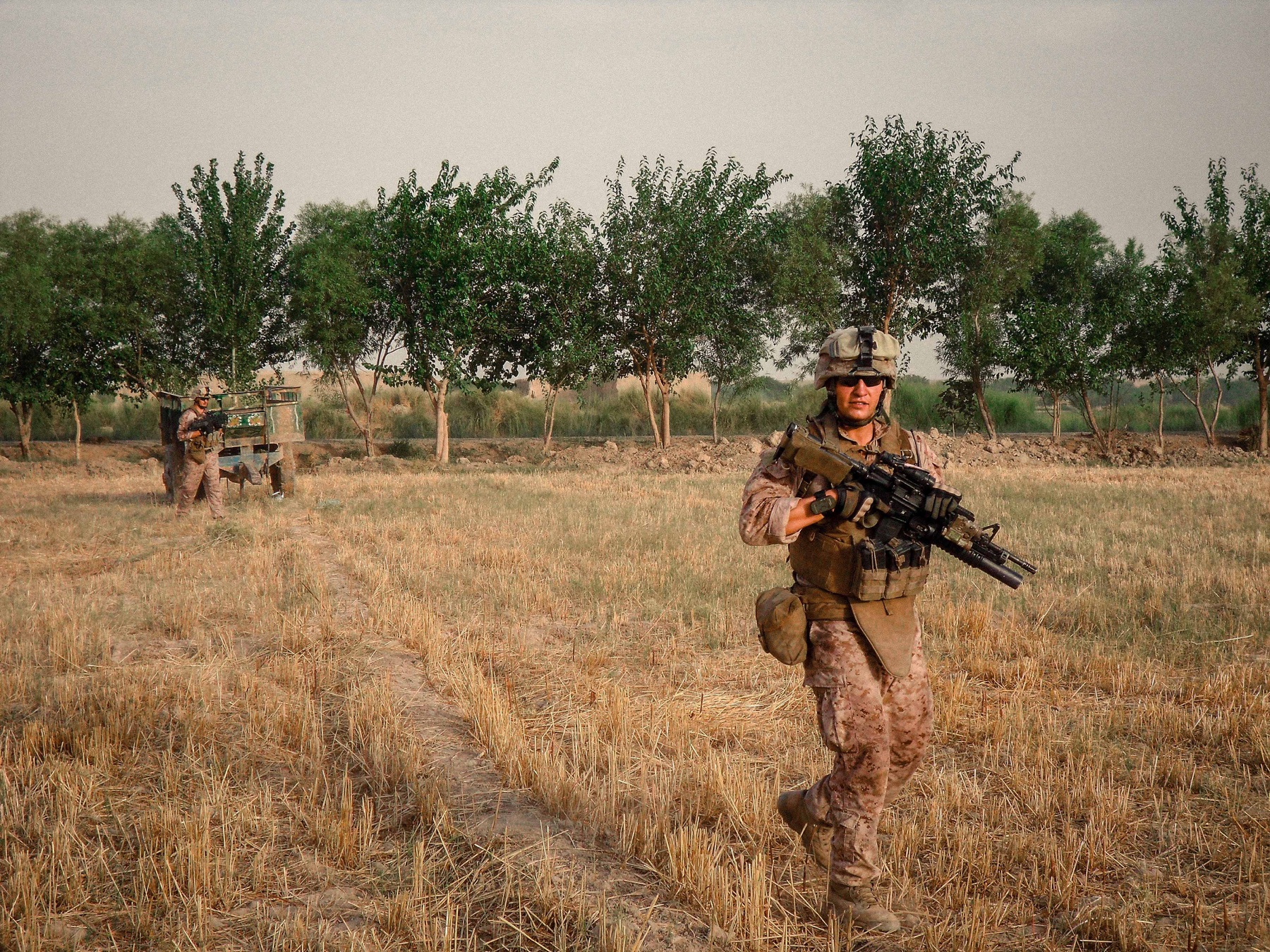
There’s nothing that beats a rifle squad in the open. It’s like moving a killing machine across terrain.
The exception is a method
Which is what makes those sixteen remarkable. They kept the line open on purpose, and it held them. The dinner at the museum was upkeep on that, the same instinct that pulled them into one room across thirteen years and however many states.
The bond did more than endure. Watching Kabul fall in 2021 hit every one of them hard, and out of their conversations came a decision to document what they’d learned, to put their deployment’s hard lessons on paper so the next generation of Marines trains better, fights smarter, and comes home more whole. The brotherhood became a mission. The men who held the line for each other turned to hold it for Marines they’ll never meet.
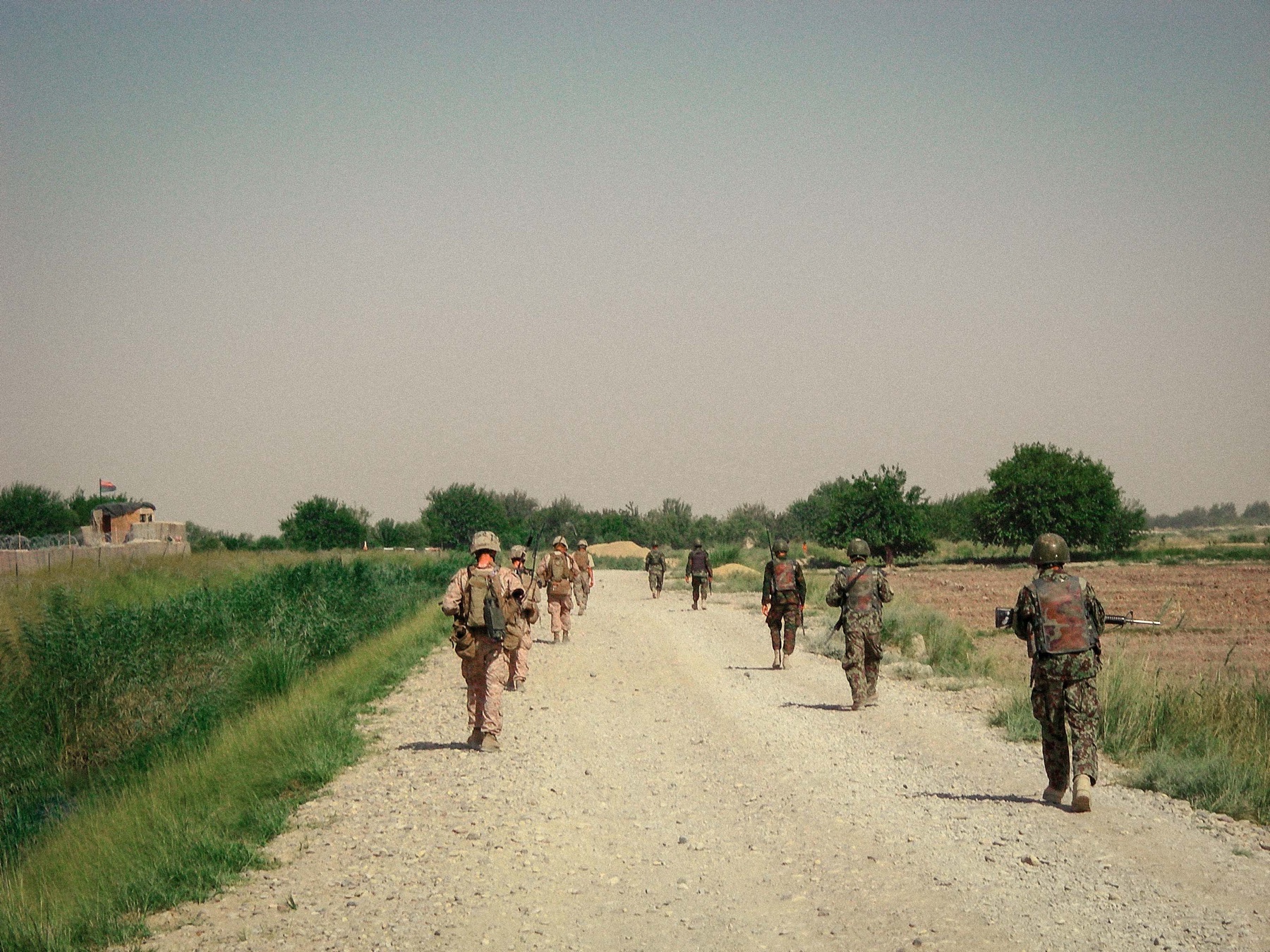
The association’s whole reason for being
Sixteen men with a group text did this on their own. Most of that holding happens that way, quietly, between men who served together. The association gives that instinct infrastructure, the room to gather in, the reach a group text can’t manage. Leonardo and St. Onge came to the museum as brothers first, and as members. Then they introduced their brothers to the association to strengthen the line for the next man.
That’s how a battalion holds together. One brother at a time.
From the August 2026 issue of The Proud Warrior. Read the full issue